Real Estate · UAE Weekly
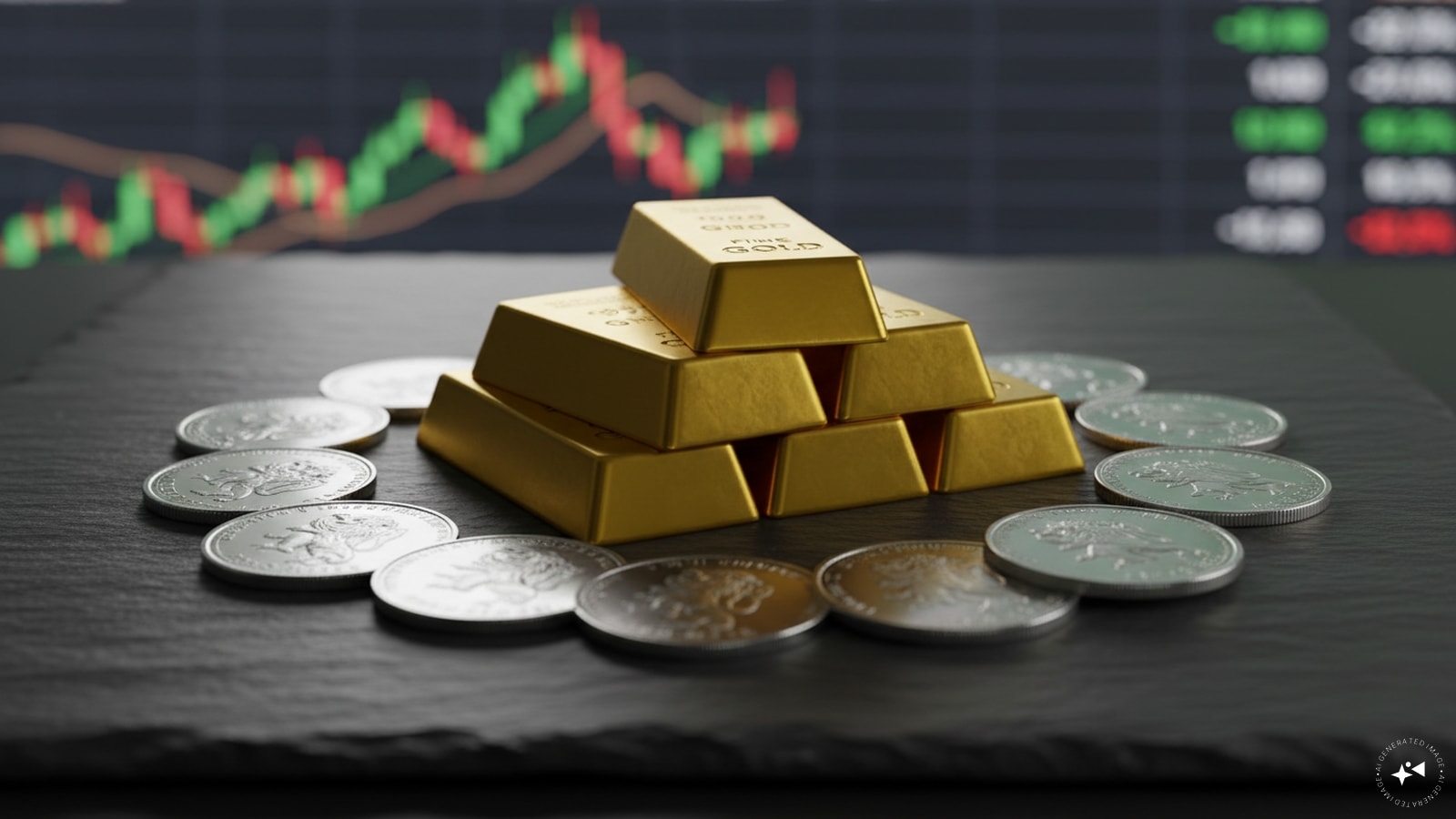
Gold and silver prices rose in international markets on Monday, November 9, extending gains after both precious metals recorded a strong weekly advance. Investors are tracking developments in the US-Iran conflict, movements in the US dollar and Treasury yields, and upcoming inflation data for cues on the outlook for interest rates. On COMEX, gold futures were trading at $4,134.10 per ounce, up $59.20 or 1.45% from the previous close of $4,074.30 an ounce.
Prices touched an intraday high of $4,134.70 anounce and a low of $4,062.50 an ounce. Silver futures were trading at $53.31 per ounce, up $1.368 or 2.63% from the previous close of $51.61 an ounce. The metal touched a high of $53.38 an ounce and a low of $51.415 an ounce.
The gains follow a strong week for bullion. COMEX gold futures advanced around 4.5% over the previous week to settle at $4,074.90 per ounce, while silver gained approximately 5.4% to close at $51.94. What is driving gold and silver prices?
The outlook for US interest rates remains an important factor for precious metals. Stronger-than-expected US employment data has strengthened expectations that the Federal Reserve could raise interest rates in December, supporting the dollar and bond yields. Higher interest rates generally weigh on gold and silver because they do not offer interest income.
A stronger US dollar can also make dollar-denominated bullion more expensive for buyers holding other currencies. Investors will therefore track the upcoming US inflation reading, along with inflation data from China, Germany, Japan and India, for indications of the likely direction of monetary policy. Geopolitical developments are another factor influencing bullion prices.
Progress in negotiations between the US and Iran, along with developments in the Russia-Ukraine conflict, could affect demand for safe-haven assets such as gold. Why did bullion gain last week? Gold and silver recovered during the previous week after facing initial pressure from stronger US employment data and improving consumer sentiment.
The subsequent rally was supported by bargain buying at lower price levels and short-covering. Weakness in global technology stocks, particularly amid concerns about artificial intelligence-related investments and the profitability of data centre infrastructure, also contributed to safe-haven demand. However, gains were limited towards the end of the week as selling pressure emerged in bullion futures.
What to watch in the domestic market On the Multi Commodity Exchange (MCX), gold futures for December delivery gained ₹3,682, or nearly 3%, over the previous week to settle at ₹1.42 lakh per 10 grams. Silver futures rose ₹5,655, or 3.15%, to close at ₹1.84 lakh per kg. Domestic bullion prices will continue to track international prices, currency movements and expectations around US monetary policy.
The rupee's movement against the US dollar is particularly relevant because India imports most of its gold requirements. Festive demand around Diwali could also influence domestic market activity, although global cues are likely to remain important for price direction. The domestic commodities market will remain closed during the morning session on Tuesday (November 10) due to Diwali-Balipratipada.
NOTE TO READERS Disclaimer: This article is for informational purposes only and should not be construed as investment advice. Readers should consult certified experts before making any investment decisions. Tags
Source: CNBC TV18